Twisted Tales TV Joins comkids Festival Discussion on Children’s Media and Collective Imagination
What kind of characters, stories and worlds do we want to create for the next generation — and what possibilities do we give children when we let them imagine beyond the stories they already know?
How do the stories we tell children shape the way they see themselves, each other and the world around them? This question was at the centre of a panel discussion on the 17th of August 2026 at the comkids Festival in São Paulo, Brazil, where Twisted Tales TV was apart of a wider discussion by a panel of specialists and producers considering how characters are developed for children and young audiences — and what responsibilities come with creating the stories through which young people encounter different ideas about themselves and society. Fairy tales have long played a role in shaping children’s understanding of relationships, identity, morality and the roles people occupy within society. Their characters and narratives can become powerful reference points — sometimes reinforcing established expectations, and sometimes opening up possibilities for imagining something different.
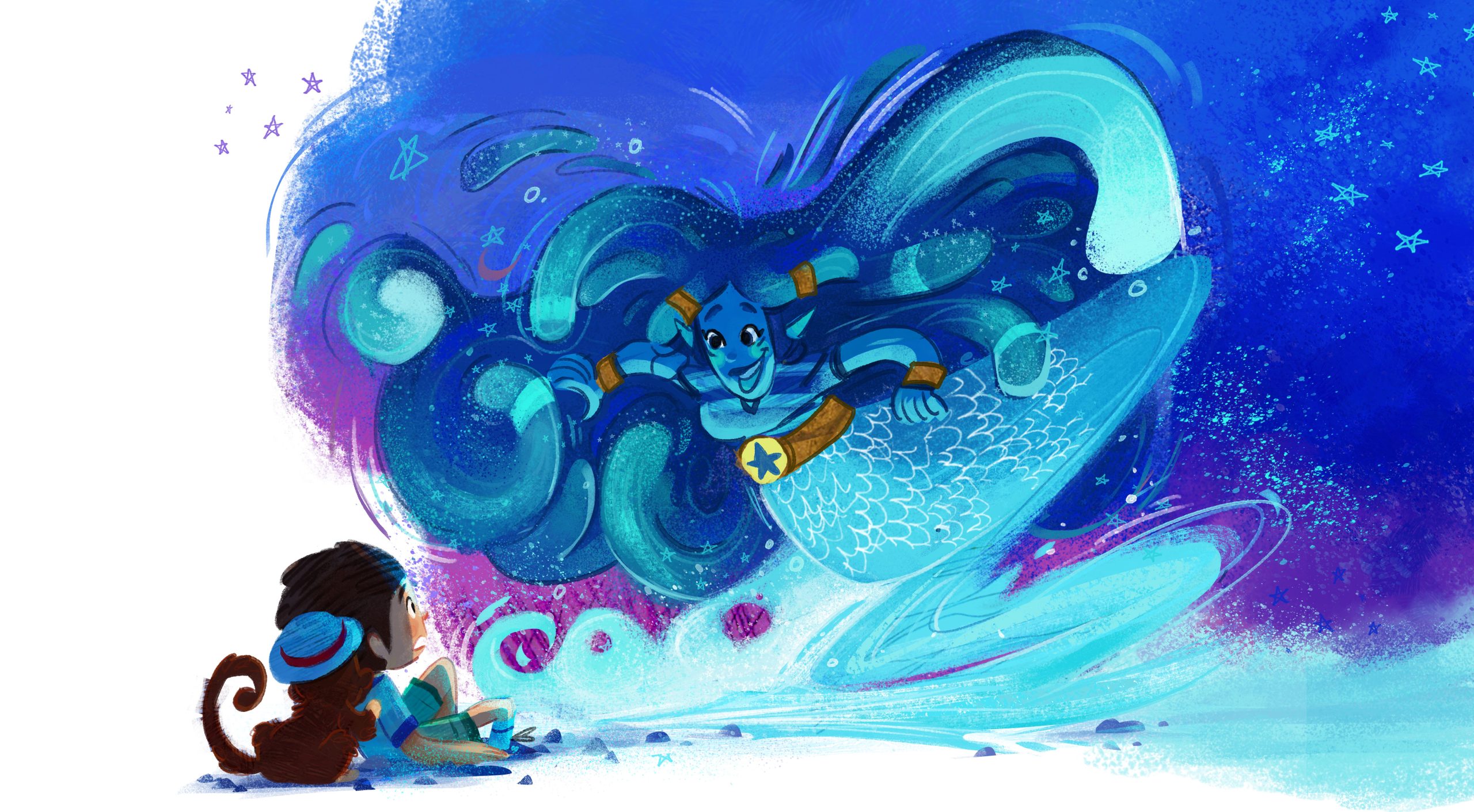
Twisted Tales TV works with this tension by taking recognizable stories and giving them new meanings. Rather than discarding familiar narratives, the Edutainment programme uses them as a starting point for exploring contemporary issues and encouraging children to question assumptions, recognise different perspectives and imagine alternative possibilities. For Twisted Tales TV, the invitation also represents an opportunity to connect the project with practitioners working across different cultural and media contexts — and to contribute to a broader exchange about how the stories created today can influence the stories children imagine tomorrow. By bringing Twisted Tales into this conversation, the comkids Festival offers another space to ask an increasingly important question:
What kind of characters, stories and worlds do we want to create for the next generation — and what possibilities do we give children when we let them imagine beyond the stories they already know?